
HVAC Maintenance Tasks You Can Actually See
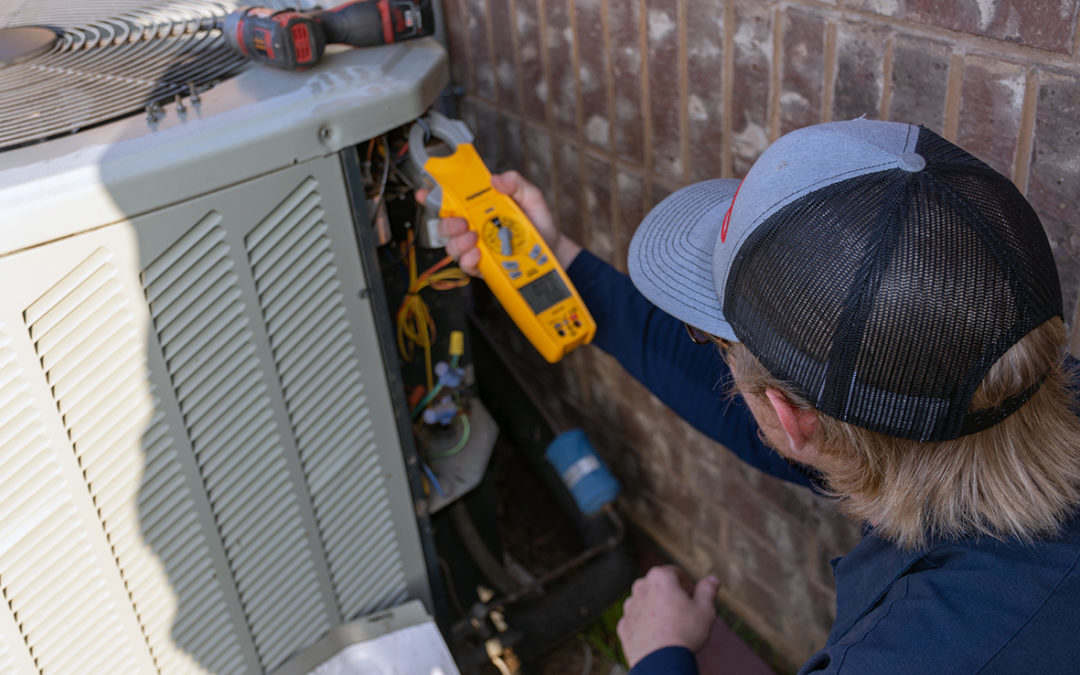
Many homeowners assume HVAC maintenance is something only technicians can evaluate. While professional inspections and furnace service are essential for keeping the system running safely and efficiently, there are several maintenance indicators you can actually see yourself. From air filters to outdoor units and airflow around vents, these visible checks give homeowners a simple way to monitor system health between service visits and catch small problems early.
What HVAC Maintenance Includes That You Can Actually See
A lot of HVAC maintenance happens inside equipment, but homeowners can still see and verify several important things around their system. Most HVAC systems hide their critical components inside cabinets and ductwork, yet several HVAC system maintenance clues remain visible without opening the equipment.
Start with the air filter. When it’s clean, you’ll see light through the material and it looks mostly white or light gray. When it needs replacement, it looks dark, dusty, sometimes matted with debris, and may block light completely when held up. This is often the easiest way to know when to change HVAC filter components as part of routine HVAC maintenance.
Next is the outdoor condenser unit. You should be able to see airflow through the metal fins clearly. If the fins are covered with leaves, grass clippings, pollen, or cottonwood fluff, the system has to work harder to release heat and efficiency drops. Debris buildup is also a signal that the unit may need attention or that it’s time to clean condenser coil surfaces as part of regular HVAC cleaning.
Inside the home, check the supply vents and return grille. These should be open, unobstructed, and free of visible dust buildup. Furniture, rugs, or curtains blocking vents can reduce airflow and strain the system. A thick dust outline around vents may also signal airflow problems or a neglected filter.
Homeowners can also see the condensate drain line and drain pan near the indoor unit. Standing water, damp areas, or water stains often indicate a clog that should be addressed before it causes damage.
Finally, pay attention to general cleanliness around HVAC equipment. Dust accumulation around air handlers or debris around outdoor units often signals that HVAC system maintenance has been neglected and that basic HVAC cleaning tasks may be overdue.
These visible indicators don’t replace professional service or scheduled air conditioner service, but they give homeowners a reliable way to confirm their system is being cared for properly and offer a window into the system’s overall health between HVAC maintenance visits.
Why Visible Checks Matter for HVAC System Maintenance
Visible checks matter because they help homeowners catch problems before they turn into mechanical failures. Many HVAC issues start with something simple you can see, a clogged filter, blocked airflow, or debris around the outdoor unit. These small issues gradually force the system to run longer, use more energy, and wear out components faster.
For example, a dirty filter restricts airflow. That restriction can cause the evaporator coil to freeze or the blower motor to work harder than designed. A homeowner who checks the filter regularly and knows when to change HVAC filter components can prevent that chain reaction and support consistent HVAC preventative maintenance.
A dirty condenser coil works the same way. It may not cause an immediate breakdown, but debris buildup gradually traps heat and forces the compressor to run longer and work harder. Periodically glancing at the outdoor unit helps homeowners spot these issues before performance declines or before it becomes necessary to clean condenser coil surfaces more aggressively.
Visible checks also help identify airflow problems, which are one of the most common causes of HVAC inefficiency. Dust streaks around vents, uneven airflow between rooms, or a filter that darkens quickly can all point to circulation issues.
Another benefit is maintenance accountability. If a technician claims the system was serviced but the filter is still dirty or the condenser is still packed with leaves and debris, that’s a clear sign HVAC maintenance wasn’t thorough.
Think of visible checks as the HVAC equivalent of checking your car’s oil level. You may not rebuild the engine yourself, but you can easily confirm that the basic maintenance is happening. In short, visible inspections give homeowners a practical way to monitor system health between professional HVAC system maintenance or heat pump maintenance visits.
When and How to Change HVAC Filter
Most homeowners should check their HVAC filter once a month and replace it every one to three months, depending on conditions. Instead of following a strict calendar schedule, it helps to treat filter replacement as a condition-based task within routine HVAC preventative maintenance.
Several factors affect how quickly filters get dirty. Homes with pets collect more hair and dander and often need monthly changes. Homes with allergy sufferers may also benefit from more frequent replacement. High pollen seasons, construction or renovations, and heavy system use during summer or winter can all cause filters to fill faster.
A simple way to know when it’s time to change HVAC filter components is to hold the filter up to a light source. If little or no light passes through the material, or if the filter looks gray or opaque, airflow is starting to become restricted and the filter should be replaced.
Changing the filter is straightforward. Turn off the system at the thermostat, locate the filter slot near the return duct or inside the air handler, and slide the old filter out. Check the airflow arrow printed on the frame, then insert the new filter with the arrow pointing toward the furnace or air handler before turning the system back on.
Keeping the filter clean is one of the most effective things homeowners can do to improve airflow, reduce energy use, and protect HVAC components. Knowing when to change HVAC filter materials keeps air moving freely through the system, reduces strain on the blower motor, and helps the evaporator coil stay clean.
What to Check Before You Clean Condenser Coil
Before cleaning the outdoor condenser coil, homeowners should check a few things to avoid damaging the unit and to determine whether simple cleaning will actually improve performance.
First, turn off power to the system at the disconnect box near the condenser. This prevents the fan from starting while you’re working around the equipment.
Next, inspect the coil fins. These thin metal fins are delicate and bend easily. If they’re already crushed or damaged, aggressive cleaning can make airflow worse and may require professional attention before attempting to clean condenser coil surfaces.
Then check for large debris around the base of the unit such as leaves, twigs, mulch, grass clippings, or pollen. Loose debris can usually be removed safely by hand or with a gentle rinse from a garden hose before attempting to clean condenser coil fins more thoroughly.
It’s also important to confirm there is adequate clearance around the unit. Landscaping plants, fencing, or stored items should not crowd the condenser. HVAC manufacturers typically recommend about two feet of open space so air can move freely.
Finally, if water is used during cleaning, make sure the unit is completely dry before restoring power.
Taking these quick checks helps prevent accidental damage and ensures the cleaning process actually improves system performance during routine HVAC maintenance.
Simple HVAC Cleaning Tasks You Can Actually See
Homeowners can safely handle several HVAC cleaning tasks that help HVAC systems run more efficiently. Many of the most effective HVAC maintenance steps involve keeping airflow pathways clean and unobstructed.
One of the easiest tasks is clearing debris from the outdoor condenser. Leaves, grass clippings, pollen, dust, and other yard debris often accumulate on the unit’s exterior fins. A gentle rinse with a garden hose can remove surface buildup and improve the unit’s ability to release heat during cooling season before a deeper attempt to clean condenser coil fins if needed.
Inside the home, cleaning supply vents and return grilles helps prevent dust and pet hair from accumulating where air enters and exits the duct system. Vent covers can be wiped with a damp cloth or cleaned using a vacuum brush.
Homeowners can also check the condensate drain line. Pouring a small amount of distilled vinegar into the line once or twice per year helps prevent algae buildup that can block drainage.
It is also helpful to keep the area around indoor HVAC equipment clean and accessible. Storing boxes or household items near the air handler can restrict airflow and make servicing more difficult.
These HVAC cleaning tasks don’t require specialized tools, but they help maintain airflow, reduce dust circulation, and support the work performed during professional HVAC system maintenance visits.
Visible Signs Your System Needs HVAC Maintenance
HVAC systems often show visible warning signs before performance problems become obvious. These visible clues help homeowners recognize when the system needs attention before comfort levels or energy bills start to change.
One common sign is excess or uneven dust accumulation around vents or on nearby walls and furniture. Dark streaks near vents may indicate restricted airflow or dirty filters that need replacement.
Another warning sign is ice forming on refrigerant lines or the outdoor unit, which often indicates airflow restrictions, coil issues, or refrigerant problems that prevent the system from absorbing heat properly.
Homeowners may also notice standing water, rust, or moisture around the indoor unit, which is often caused by a clogged condensate drain or a full drain pan.
Outside, it helps to look closely at the condenser. A unit packed with leaves, debris buildup, or bent fins may struggle to release heat efficiently and may require HVAC cleaning or professional inspection.
Finally, watch for uneven airflow from vents. If some rooms receive little airflow while others feel strong airflow, the system may need cleaning, balancing, or inspection.
These visible signals help homeowners recognize when HVAC maintenance or additional HVAC preventative maintenance should happen before comfort and efficiency begin to decline.
Simple Checks for HVAC Preventative Maintenance
HVAC preventative maintenance doesn’t require technical expertise. In most homes, it begins with quick visual inspections that take only a few minutes but can help keep the system operating smoothly and prevent many common HVAC performance problems.
Start by confirming airflow is unobstructed. Walk through the house and make sure vents are open and not blocked by furniture or rugs, since closed or obstructed vents can disrupt airflow balance throughout the home.
Next, look at the outdoor condenser clearance and inspect the surrounding area for debris buildup or encroaching vegetation. Shrubs, tall grass, or stacked items near the unit can limit airflow and interfere with normal HVAC maintenance.
Check the thermostat operation by adjusting the temperature slightly and verifying the system responds properly.
Homeowners should also listen for unusual noises when the system starts. Grinding, rattling, buzzing, or sudden changes in airflow sound can indicate loose components or airflow restrictions.
Finally, check the air filter and return grille regularly to ensure airflow into the system remains strong and air can move freely through the equipment. This step is also the easiest way to know when to change HVAC filter components.
These small checks help homeowners identify potential issues early and support ongoing HVAC preventative maintenance between professional service visits.
Building a Simple HVAC Maintenance Plan
A simple HVAC maintenance plan works best when it follows a consistent routine rather than relying on memory. The goal isn’t complicated maintenance, it’s creating a repeatable routine that keeps airflow clear, equipment clean, and small issues visible before they grow into expensive repairs.
A practical approach is to divide tasks by frequency within a clear HVAC maintenance plan.
Monthly tasks include checking and replacing the air filter if needed, knowing when to change HVAC filter materials, inspecting vents and airflow throughout the home, and looking for debris around the outdoor unit.
Seasonal tasks focus on preparing the system for heating or cooling periods. This typically involves basic HVAC cleaning, checking condenser clearance, lightly rinsing debris from the unit or preparing to clean condenser coil fins if needed, flushing the condensate drain line, inspecting thermostat settings, verifying system response, and making sure airflow throughout the house feels balanced.
Annual tasks should include scheduling professional HVAC system maintenance so a technician can inspect internal components such as coils, refrigerant levels, and electrical connections.
Many homeowners find it helpful to tie these tasks to seasonal reminders. For example, checking filters on the first weekend of each month and inspecting the condenser when preparing the yard for spring.
By combining quick homeowner checks with annual professional service, a clear HVAC maintenance plan helps systems stay cleaner, run more efficiently, and last longer.


