
Transforming Multi-Use Spaces for Modern Living Through Functional Design
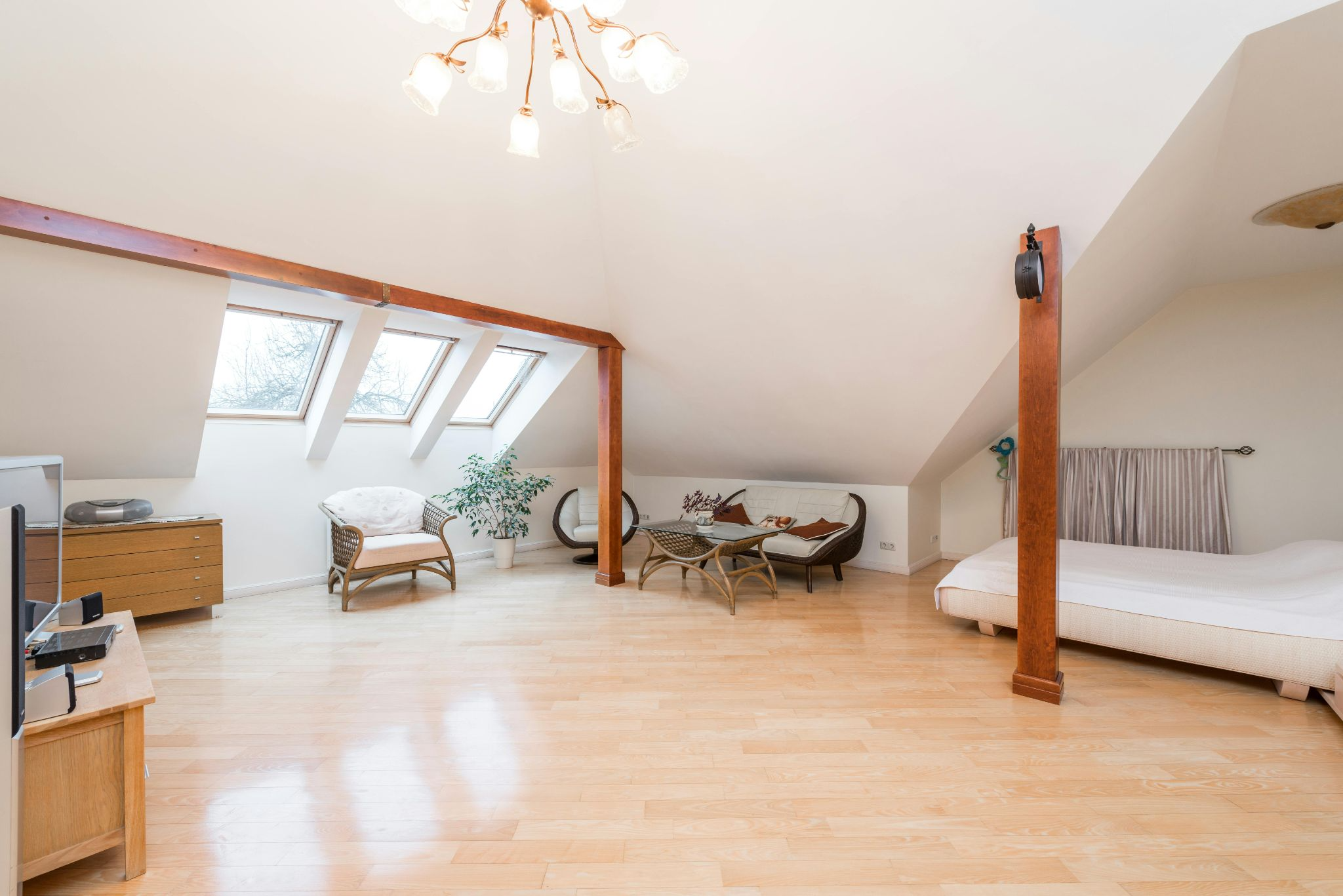
In today’s fast-paced world, the concept of home has evolved into more than just a place for rest. Modern living calls for homes that serve as flexible environments where work, play, and relaxation seamlessly coexist.
As lifestyles change, multi-use spaces have become essential in maximizing functionality without sacrificing comfort or style. A room is no longer bound to a single purpose but can transform to meet the diverse needs of everyday life.
Designing Spaces That Balance Function and Comfort
A successful multi-use space begins with a thoughtful design that blends functionality and comfort. A home office that doubles as a guest bedroom, for example, should incorporate pieces that transition easily between uses. A desk with hidden storage or a foldable bed can maintain the room’s professional appearance while still offering a welcoming atmosphere for visitors.
Achieving this balance requires careful planning and a focus on versatility rather than excess. By prioritizing adaptable furniture and a neutral palette, a room can accommodate various activities without feeling cluttered or disorganized.
Creating Open Concepts That Encourage Flexibility
Modern living often embraces open floor plans, and this layout naturally supports multi-use spaces. An open-concept living and dining area can be designed to flow into a workspace or hobby corner. The key lies in defining zones without compromising openness.
Rugs, lighting, and furniture placement can subtly separate areas for different functions while still maintaining an overall sense of cohesion. This flexible arrangement not only maximizes square footage but also allows residents to adapt the space as their needs evolve over time.
Enhancing Spaces with Smart Storage Solutions
One of the greatest challenges in multi-use design is preventing clutter from overwhelming the room. Smart storage solutions are essential in making a space practical and visually appealing. Built-in shelving, under-seat storage, and convertible cabinetry allow homeowners to maintain organization while keeping surfaces clear.
Storage solutions can also contribute to the room’s character by incorporating unique finishes or materials. This blend of function and style ensures the space remains both efficient and aesthetically pleasing.
Incorporating Technology for Seamless Transitions
Technology plays an important role in transforming multi-use spaces for modern living. Adjustable lighting systems, hidden projectors, and soundproofing features allow a single room to switch from a professional workspace during the day to a cozy entertainment area at night.
With smart technology, transitions become effortless, and the space adapts to the user rather than requiring the user to adapt to the space. This seamless integration enhances convenience and makes multifunctional rooms feel intentional rather than improvised.
Drawing Inspiration from Contemporary Design Practices
Homeowners seeking inspiration for multi-use spaces often look to contemporary design practices that emphasize clean lines and adaptable layouts. Subtle textures, muted colors, and natural materials create a calm environment that suits a variety of functions.
By grounding a space in timeless design, homeowners can avoid the need for constant renovation as trends shift. Instead, small accents such as throw pillows, wall art, or plants can refresh the room while preserving its core functionality.
Blending Innovation with Reliable Expertise
While creativity is crucial in designing multifunctional rooms, reliable craftsmanship and efficient systems support long-term success. Companies that focus on custom-built solutions, such as Timberbuilt Rooms, provide insight into how additions and remodels can extend a home’s capabilities without compromising structure or comfort.
Equally important, energy efficiency and climate control ensure these spaces remain comfortable throughout the year. Reliable systems, like those offered by Trane South, demonstrate how modern technology enhances living environments by providing consistent comfort for spaces that serve multiple purposes.
Together, these approaches highlight the importance of blending innovation with dependable expertise in crafting adaptable rooms.
Elevating Well-Being Through Thoughtful Design
Beyond practicality, transforming multi-use spaces also impacts well-being. A room designed with natural light, comfortable seating, and calming décor can reduce stress while supporting productivity.
Multi-use spaces also foster stronger connections among family members, offering environments where work, relaxation, and social activities coexist harmoniously. When people feel their home supports their needs, it enhances not only efficiency but also overall quality of life.
Embracing the Future of Modern Living
As urban living expands and remote work becomes a lasting part of daily life, the need for multi-use spaces will only continue to grow. Homeowners are increasingly reimagining their living environments to reflect both practicality and personal expression.
Transforming multi-use spaces for modern living is not merely about maximizing square footage; it is about designing homes that evolve with changing lifestyles. By integrating versatile design, smart technology, and thoughtful craftsmanship, a single room can meet multiple needs without losing its sense of comfort and identity.


